7-Day Japan Highlights Tour with Tokyo Kyoto Osaka and Nara
Japan can feel like three trips in one: ancient temple paths, polished city streets, and quiet gardens only a short train ride from neon dining districts. This 7-day Japan highlights tour brings those contrasts together without asking you to plan every transfer, ticket, hotel, and route yourself.
Over one week, the tour connects Osaka, Nara, Kyoto, and Tokyo. It includes guided city touring in Osaka, Kyoto, and Tokyo, a visit to Nara’s famous temple grounds and deer park, the high-speed Shinkansen bullet train from Kyoto to Tokyo, private coach transport, quality hotels, and eight included meals.
At A$3,588 per person including taxes and fees, it is designed as a deluxe small-group introduction to Japan, especially for travellers who want structure, comfort, and enough variety to understand why the country keeps drawing people back.

Why this 7-day Japan route works so well
A week in Japan needs smart pacing. Tokyo alone can fill seven days, and Kyoto rewards slow exploring. Add Osaka, Nara, and the Shinkansen, and it becomes clear why a guided route helps.
This itinerary works because it follows a strong west-to-east pattern:
Stop | What it adds to the trip |
Osaka | Street food, evening energy, easy airport access, and a friendly first taste of city life |
Nara | Ancient Buddhist history, open temple grounds, and free-roaming Sika deer |
Kyoto | Shrines, gardens, bamboo groves, heritage districts, and classic Japanese scenery |
Tokyo | Big-city icons, modern Japan, skyline views, temples, shopping, and famous crossings |
That mix keeps the trip balanced. You are not spending the whole week in museums or shuttling between anonymous hotel rooms. Each place has a clear role.
Osaka gives the trip a lively start. Nara slows the pace with open parkland and temple courtyards. Kyoto brings the cultural heart of the journey. Tokyo ends it with scale, speed, and a sense of where Japan is heading next.
For first-time visitors, this is a useful order. It moves from approachable to grand, then finishes with the biggest city in the country.
The experience begins in Osaka
Osaka is often described through food, and for good reason. It is one of Japan’s best cities for casual dining, late-night snacking, and wandering between small restaurants.
The tour begins here, with time to experience the famous Dotonbori district. This is the Osaka most travellers picture: bright signs, canal views, street-food stalls, and a steady flow of people heading from one meal to the next.
Expect this part of the trip to feel fun and immediate rather than formal. Osaka does not demand that you understand every custom straight away. You can start with simple pleasures:
Try local favourites such as takoyaki or okonomiyaki
Walk along the canal after dark
Take photos of the district’s oversized food signs
Get used to Japan’s clean, efficient, well-signposted streets
Ease into the rhythm of group touring
A guided city tour also gives context. Osaka has deep mercantile roots, a strong local identity, and a more relaxed social feel than Tokyo. Starting here gives you a softer landing before the itinerary moves into temples, shrines, and the faster pace of the capital.
Nara brings temple grounds and friendly deer
The visit to Nara is one of the tour’s most memorable contrasts. After Osaka’s lights and food streets, Nara feels open and historic.
The main highlight is the Todai-ji Temple grounds, one of Japan’s most important Buddhist sites. The wider Nara Park area is also known for its Sika deer, which roam freely and are regarded as symbolic messengers in local tradition.
The deer are used to visitors, but they are still animals, not props. A good guide helps make this stop more respectful and enjoyable. That means understanding when to feed them, how to behave around them, and how to enjoy the scene without crowding.

Todai-ji itself is the anchor. Its scale, timber architecture, and spiritual weight make it more than a quick photo stop. Even if you arrive knowing little about Japanese Buddhism, the setting explains a lot: wide paths, grand gates, incense smoke, and centuries of devotion built into the grounds.
Nara also works well as a bridge between Osaka and Kyoto. It introduces older Japan in a way that feels relaxed before the tour reaches Kyoto’s major shrines and gardens.
Kyoto is the cultural centrepiece
Kyoto is the part of the tour where Japan’s traditional image comes into focus. Temples, shrines, gardens, old lanes, and seasonal beauty are all part of the city’s appeal.
This itinerary includes several of Kyoto’s best-known highlights, including the Golden Pavilion, the Arashiyama Bamboo Grove, and Fushimi Inari Shrine.
Walk among the bamboo in Arashiyama
The Arashiyama Bamboo Grove is one of Kyoto’s most photographed places, but it still has impact when you stand inside it. Tall bamboo rises on both sides of the path, filtering the light and softening the sound around you.
It is best experienced slowly. Even on a guided schedule, a short unhurried walk can be enough to take in the height, texture, and cool shade of the grove.
Arashiyama also has a wider appeal beyond the bamboo itself. The district often includes riverside views, temple precincts, and small shops, depending on the timing of the day. It gives Kyoto a scenic, almost village-like feel compared with the formal beauty of its temple gardens.
See the Golden Pavilion
Kyoto’s Golden Pavilion, known as Kinkaku-ji, is another essential stop. The temple’s gold-covered upper floors reflect across a pond, with pine trees and carefully shaped gardens around it.
The appeal here is not just the building. It is the composition. The pavilion, pond, garden, and walking route are arranged so the view changes as you move. This is the kind of place where a guide can add value by explaining the setting without turning it into a lecture.
It is also one of the stops that rewards patience. The first view is the famous one, but the smaller details along the garden path are part of the experience too.
Follow the red gates at Fushimi Inari
Fushimi Inari is one of Kyoto’s most moving sights. Thousands of vermilion Torii gates curve up the hillside, forming tunnels of colour and shadow.
This Shinto shrine is dedicated to Inari, associated with rice, prosperity, and business. Fox statues appear throughout the grounds as messengers of the deity. The full mountain route can take time, but even the lower paths give a powerful sense of place.

Because this stop can get crowded, guided timing matters. Visiting with someone who understands the flow of the site helps the group find the best path, avoid confusion, and appreciate the meaning behind the gates rather than only taking photos.
The Shinkansen adds speed and theatre
The bullet train ride from Kyoto to Tokyo is more than a transfer. For many travellers, it is one of the moments they most look forward to.
Japan’s Shinkansen is famous for its speed, punctuality, clean carriages, and smooth ride. It also changes the mood of the trip. After temple paths and old capital scenery, you board a train that represents modern Japan’s precision and scale.
This is where having the logistics handled makes a real difference. Large stations in Japan are well organised, but they can be complex for first-time visitors. With a professional English-speaking guide and arranged transport, the group can focus on the experience rather than worrying about platforms, ticket gates, seat reservations, or luggage flow.
On board, the ride gives you time to pause. You have already seen Osaka, Nara, and Kyoto. Tokyo is still ahead. That in-between stretch helps the week feel bigger than the number of days suggests.
Tokyo delivers the modern finale
Tokyo is enormous, but this tour focuses on the key sites that give a strong first impression. The city blends old, modern, formal, playful, dense, calm, high-rise, and intimate, often in the same afternoon.
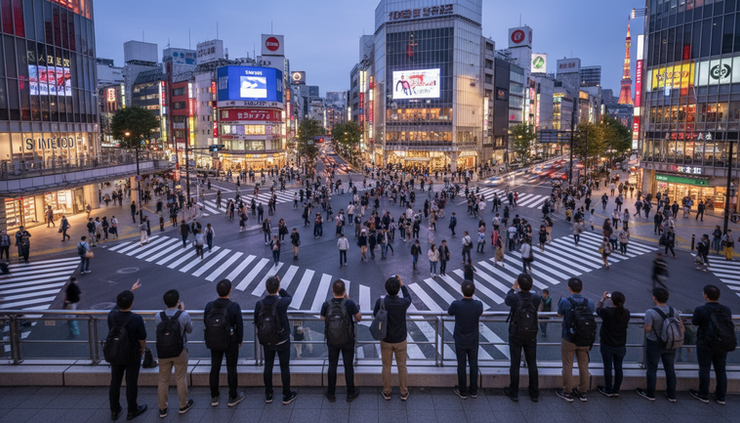
Included Tokyo touring covers major sites such as the Imperial Palace, Senso-ji Temple, Tokyo Skytree, and the famous Shibuya Crossing.
Visit the Imperial Palace area
The Imperial Palace sits on the former site of Edo Castle, surrounded by moats, stone walls, bridges, and broad open areas that feel different from the rest of central Tokyo.
You do not need access to every inner area to appreciate its importance. The palace grounds and surrounding district help explain Tokyo’s historic role as the centre of political power, while the nearby city streets show modern Japan at work.
This stop gives the capital a sense of depth. Tokyo is not only towers and train stations. It is also layers of history, rebuilt and reimagined over time.
Explore Senso-ji Temple
Senso-ji in Asakusa is Tokyo’s oldest and most famous temple. The approach, with its gate, lantern, and shopping street, is one of the city’s classic scenes.
A visit here adds warmth to the Tokyo section of the tour. The temple is active, colourful, and easy to enjoy, even for travellers who are new to Japanese religious sites. You can observe rituals, see incense rising, browse small stalls, and feel how tradition stays present inside a modern capital.
Look out from Tokyo Skytree
Tokyo Skytree brings the city’s scale into focus. From high above, Tokyo seems to spread endlessly in every direction. The view helps make sense of what you have been moving through at ground level: train lines, river bends, dense neighbourhoods, towers, and pockets of green.
For a first visit, a high viewpoint is useful. It gives you a mental map and a fair sense of Tokyo’s size.
Feel the rush of Shibuya Crossing
Shibuya Crossing is one of Tokyo’s most recognisable modern sights. When the lights change, large crowds move across from several directions at once, then the roads clear again with remarkable order.
It is simple, everyday, and strangely impressive. That is part of its charm. Shibuya captures the rhythm of contemporary Tokyo in a way that does not need much explanation.
What is included in the deluxe small-group tour
The value of this itinerary is not only the list of places. It is the support around them.
The tour includes:
Seven days across four destinations
Osaka, Nara, Kyoto, and Tokyo
Eight included meals, made up of six breakfasts and two dinners
Guided city tours in Osaka, Kyoto, and Tokyo
A visit to Todai-ji Temple grounds in Nara
Kyoto highlights including the Golden Pavilion, Arashiyama Bamboo Grove, and Fushimi Inari
Tokyo highlights including the Imperial Palace, Senso-ji Temple, Tokyo Skytree, and Shibuya Crossing
A high-speed Shinkansen bullet train ride from Kyoto to Tokyo
A professional English-speaking tour guide across Japan
Private coach transportation throughout the journey
Handpicked, quality hotel accommodation
Taxes and fees included in the advertised price
That combination matters in Japan. The country is safe and well organised, but independent travel still takes planning. Train routes, station layouts, luggage rules, dining choices, ticketing, local customs, and timing can add friction.
A guided small-group format removes much of that friction. You still experience the country, but you do not spend the week solving avoidable problems.
Who will enjoy this tour most
This trip suits travellers who want a polished first visit to Japan without overcomplicating the planning.
It is a strong fit for:
First-time visitors who want the classic Japan route
Couples, friends, and solo travellers who prefer a guided group
Travellers who have limited annual leave and want a complete week
People who want key sites without managing every connection
Anyone who values comfort, clear pacing, and local guidance
Travellers interested in cherry blossom departures when available
It may feel too structured for travellers who prefer long unplanned days or highly niche interests. If your main goal is skiing, anime shopping, hiking remote trails, or spending a full week in one city, a specialised itinerary may suit you better.
For a broad introduction, though, this route is hard to fault. It covers the essential contrasts: food streets, sacred deer, temple gardens, red shrine gates, bullet trains, palace grounds, skyline views, and the controlled chaos of Tokyo crossings.
The best way to approach the week
A 7-day trip moves quickly, so the best mindset is simple: enjoy the highlights without trying to see everything.
Japan rewards repeat visits. This tour is not meant to exhaust every district or cover every museum. It gives you a clear first chapter.
A few small habits will make the trip smoother:
Pack comfortable shoes for temple grounds, stations, and city walks
Bring layers, as weather can shift between regions and seasons
Keep a small day bag for water, chargers, and travel documents
Carry some cash for small snacks, shrine offerings, and local purchases
Be ready for early starts, especially on major sightseeing days
Follow guide instructions at transport hubs, as timing matters
Cherry blossom dates are available, which can add another layer to the experience. Spring in Japan is popular for good reason, with soft blooms around parks, temple grounds, riversides, and city streets. Availability can change quickly, so flower-season departures are best treated as special dates rather than standard inventory.
A compact week with the right contrasts
The strength of this tour is its balance. Osaka gives you flavour and fun. Nara adds nature and ancient temple grounds. Kyoto delivers the classic shrine and garden experience. Tokyo brings the scale and speed of modern Japan.
The Shinkansen ties it all together, and the guided small-group format keeps the week manageable.
For travellers who want a deluxe, well-supported introduction to Japan, the 7-Day Japan Highlights Tour with Tokyo Kyoto Osaka and Nara offers a smart route through four of the country’s most rewarding places. You return home with more than a checklist of sights. You get a first real sense of how Japan can be calm, fast, old, precise, playful, and deeply memorable, all in the same week.


Comments